

The Transformative Power of Support Groups and Workshops

Overview
Support groups and workshops offer crucial support for individuals facing challenges like trauma and reentry into society. They foster connection, provide resources, enhance accountability, promote emotional healing, and facilitate personal growth. Finding the right group tailored to your needs can greatly aid in your recovery journey. Engaging with these communities can transform your experience and help you navigate life's challenges more effectively.
Contents
In today’s world, many individuals face challenges that can feel overwhelming. Whether it’s navigating the complexities of reentry into society, coping with trauma, or seeking pathways to recovery, participating in support groups and workshops can make a significant difference. This blog explores the myriad of benefits that come from joining these nurturing communities, particularly in vibrant places like Los Ángeles.
Understanding Support Groups
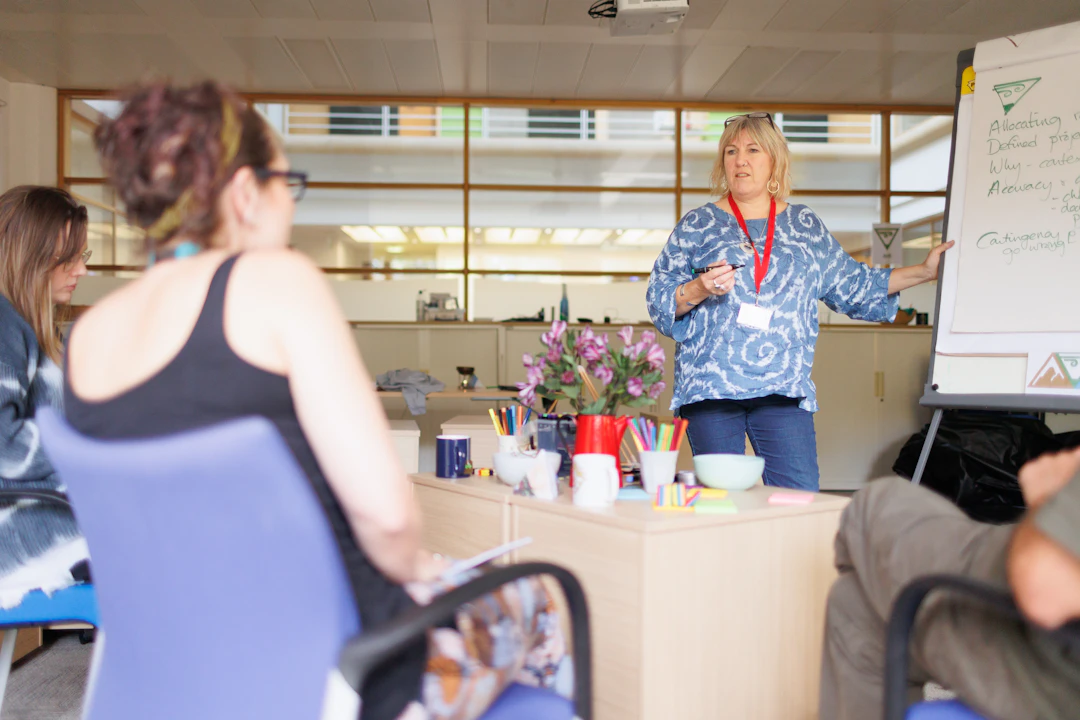
Support groups are gatherings where individuals with common experiences or struggles come together to share their stories, challenges, and coping strategies. These groups can be crucial for those transitioning back into society after a period of hardship, such as imprisonment, addiction, or mental health crises. Members find solace and strength in knowing they are not alone in their journeys.
The Role of Workshops in Recovery
Workshops complement the work done in support groups. They often focus on skill-building, education, and personal development, providing participants tools to enhance their journeys. Whether through art therapy, life skills training, or mindfulness sessions, workshops can be pivotal in facilitating recovery and promoting health and well-being. Let’s delve deeper into the benefits of engaging with these resources.
1. Connection and Community
One of the primary benefits of joining support groups is the sense of connection. The feeling of being part of a community can be incredibly healing, especially for those who have experienced trauma. Here are a few ways these connections manifest:
Shared Experience: Individuals can relate to one another’s struggles and offer insights based on personal experiences.
Building Friendships: Bonds formed in these groups can lead to lasting friendships, which offer additional support and encouragement.
Creating Safe Spaces: Support groups provide an environment where individuals feel safe to express their feelings without judgment.
2. Access to Knowledge and Resources
Support groups and workshops often provide access to a wealth of knowledge and resources:
Expert Guidance: Many groups feature facilitators who are trained professionals with insights into psychological and emotional health.
Resource Sharing: Participants frequently share books, articles, websites, and other tools that have aided their personal journeys.
Workshops on Various Topics: From coping mechanisms to financial literacy, workshops can equip individuals with practical skills.
3. Accountability and Motivation
Participating in a support group can enhance accountability. Knowing that others are invested in your success can motivate individuals to stay committed to their personal goals:
Setting Goals: Many groups encourage participants to set personal goals, helping them stay focused on their recovery journey.
Encouraging Progress: Sharing updates about achievements can inspire not just individual participants but the entire group.
Building Resilience: Celebrating successes and discussing setbacks openly enhances resilience and determination.
4. Emotional Healing and Expression
Attending support groups can be a pivotal part of the healing process post-trauma. Emotional healing can happen in various ways:
Validation of Feelings: Sharing experiences in a non-judgmental setting validates emotions, which is crucial for healing.
Opportunity to Be Heard: Participants can express their stories, thoughts, and feelings, which can be cathartic.
Learning Coping Strategies: Members learn new ways to manage emotions and stresses, particularly associated with reentry and past trauma.
5. Personal Growth and Development
Personal growth is a natural outcome of working through challenges and sharing experiences:
Increased Self-Awareness: Reflecting on experiences aids in gaining insight into personal behaviors and patterns.
Empowering Others: As individuals share their stories and recoveries, they empower others to do the same, creating a cycle of growth.
Rediscovery of Identity: Support groups encourage individuals to reconnect with their passions and goals, helping them rediscover their identities beyond their struggles.
6. Networking Opportunities
Support groups and workshops often attract a diverse range of individuals, which opens doors to invaluable networking opportunities:
Building Connections: Participants can connect with people from various backgrounds, offering new perspectives and opportunities.
Collaboration: The workshops facilitate collaboration, where individuals can co-create projects or initiatives that serve their community.
Job and Career Opportunities: Networking can lead to potential job leads or collaborations in personal ventures.
7. Tailored Support Systems
Every individual’s journey through recovery is unique. Support groups and workshops can be tailored to meet diverse needs:
Specific Focus Areas: Some groups might focus on specific issues, such as addiction recovery, PTSD, or parenting.
Cultural Sensitivity: In cities like Los Ángeles, support options often cater to multi-cultural experiences and perspectives.
Flexible Formats: Many groups offer online and in-person meetings, accommodating different schedules and comfort levels.
The Importance of Finding the Right Group for You
Not all support groups or workshops will fit every individual’s needs. Here are suggestions to help you find the right match:
Research Options: Look into various groups and workshops in your area, especially in Los Ángeles, to see what aligns with your interests.
Attend Multiple Sessions: Feel free to try different groups or workshops to find a community that resonates with you.
Seek Recommendations: Encourage friends, family, or counselors to suggest groups they think might suit you.
Jumping into a new group can feel intimidating, but remember, you're taking a significant step towards your personal recovery journey.
Transform Your Journey Today!
If you’re ready to explore the benefits of support groups and workshops, don’t hesitate to take the plunge! Engaging with a community can profoundly affect your healing process, offering the support and encouragement you need to navigate through challenges. The transformative power of connection, shared experiences, and collective healing cannot be understated. Whether it's finding a local support group in Los Ángeles or participating in uplifting workshops, the next step in your journey toward recovery awaits!
Empower yourself with the strength of shared stories, learn from others, and turn challenges into triumphs. You are not alone—join a community that will support you every step of the way!
FAQs
What are support groups?
Support groups are gatherings where individuals with common experiences or struggles come together to share their stories, challenges, and coping strategies.
How can workshops help in recovery?
Workshops complement support groups by focusing on skill-building, education, and personal development, providing participants with tools to enhance their recovery journey.
What benefits do participants gain from support groups?
Participants gain a sense of community, access to knowledge and resources, accountability, emotional healing, personal growth, networking opportunities, and tailored support.
How do I find the right support group for me?
To find the right support group, research various options, attend multiple sessions, and seek recommendations from friends, family, or counselors.
What is the importance of connection in support groups?
The connection in support groups is crucial as it fosters a sense of belonging, provides validation of feelings, and allows individuals to share their experiences in a safe and supportive environment.


Comments